A career as a dermal therapist sits at the crossroads of health science and aesthetics, offering the chance to work with clients on real skin concerns and deliver treatments that make a genuine difference.
At the Australasian College of Health and Wellness (ACHW), our dermal therapist courses are built on a foundation of applied science, giving you the clinical knowledge and hands-on skills to enter the industry with confidence.
What is a dermal therapist?
A dermal therapist is a trained skin health professional who assesses, treats and manages a range of skin conditions using evidence-based techniques and advanced technologies. They work across clinical, cosmetic and medical settings, applying both science and practical skill to help clients achieve and maintain healthier skin.
Dermal therapists commonly:
Assess skin conditions and develop personalised treatment plans.
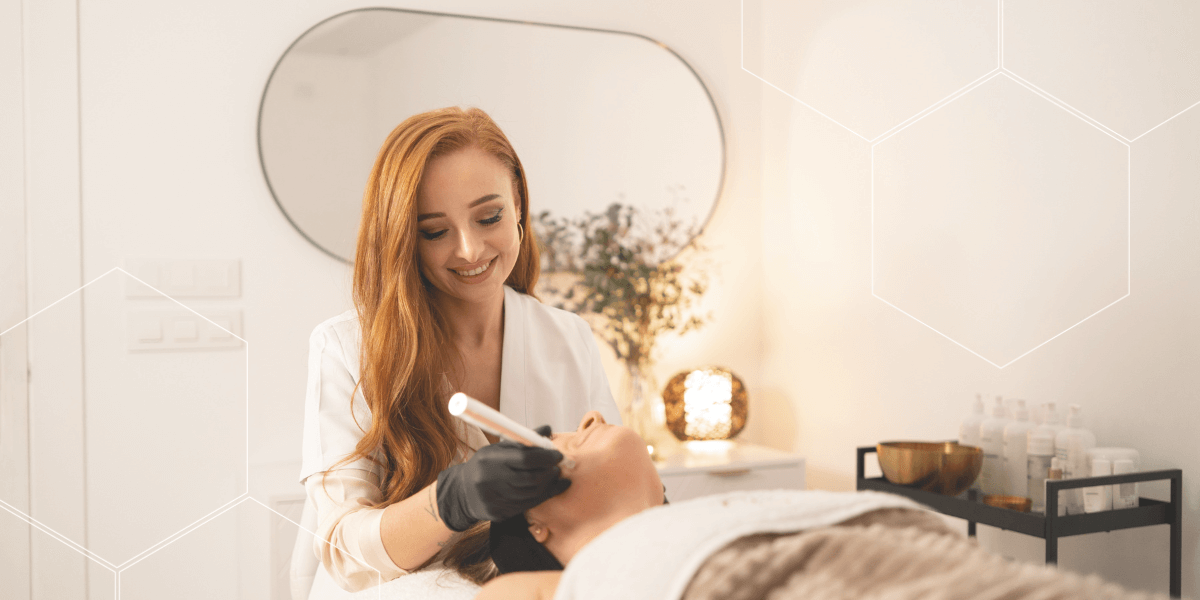
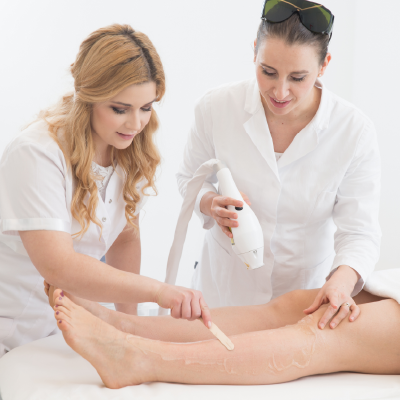
Perform clinical treatments including chemical peels, microneedling, laser and light-based therapies.
Collaborate with dermatologists, cosmetic physicians and other healthcare professionals.
Educate clients on skin health, homecare routines and treatment aftercare.
Estimated salary and possible career progression of dermal therapists
Typical salary range
(Employed and by experience)
Entry-level: $55,000–$65,000*
Mid-career: $65,000–$85,000*
Senior/Specialists: $85,000–$105,000*
5-year job growth
12.2%* projected growth
Typical work settings
Dermatology clinics, skin clinics, medi-spas, cosmetic medicine practices
Career progression
Senior Dermal Therapist, Clinic Manager, Laser Specialist, Practice Owner
The day-to-day responsibilities of a dermal therapist go well beyond surface-level skincare. They require clinical reasoning, technical skill and a genuine commitment to client wellbeing.
Conducting thorough skin consultations and reviewing client history to identify treatment considerations or contraindications.
Designing and delivering treatment programs for concerns such as acne, rosacea, pigmentation, scarring and ageing skin.
Operating advanced devices, including laser, IPL and energy-based technologies within scope and clinical guidelines.
Monitoring treatment outcomes and adjusting protocols based on client response.
Maintaining accurate client records, hygiene standards and clinical documentation.