Only Available for Short Courses

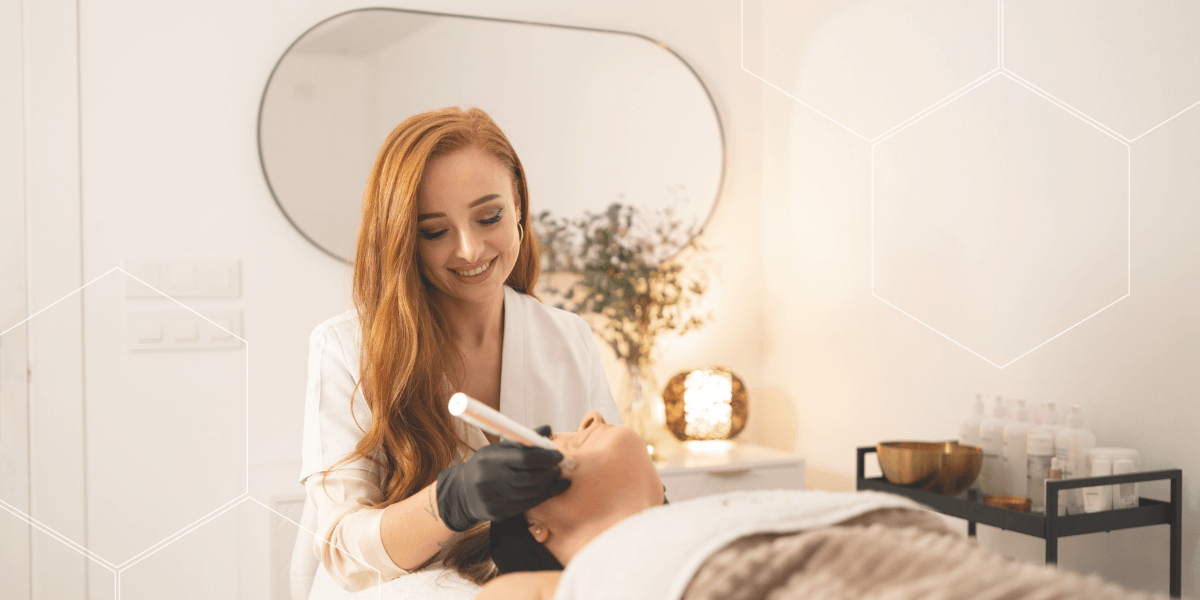
Considering a career as a clinical aesthetician? Whether you’re new to the beauty industry or looking to transition into a more advanced role, this pathway offers challenge, growth, and the opportunity to work at the forefront of Australia’s evolving aesthetics industry.
At the Australasian College of Health and Wellness (ACHW), our clinical aesthetician courses give you the skills and real-world training to build a flourishing career in the beauty and skincare industry.
A clinical or medical aesthetician is a skincare professional who is trained to perform non-invasive cosmetic treatments under medical supervision. While they build on the same core skincare foundations as traditional aestheticians, their work takes place in more regulated environments where they support patients undergoing corrective treatments.
Clinical aestheticians commonly:
With specialised training, clinical aestheticians may perform advanced treatments (within scope and supervision), including:
|
Typical salary range (Employed and by experience) |
Entry-level: $50,000–$60,000 |
| Mid-career: $60,000–$80,000 | |
| Specialists: $75,000–$100,000 | |
| 5-year job growth | 12.2% projected growth |
| Typical work settings | Salons, day spas, skin clinics, and medi-spas |
| Career progression | Senior Clinical Aesthetician, Dermal Therapist, Laser Specialist, Practice Owner |
The responsibilities of clinical aestheticians extend beyond general cosmetic treatments to more targeted techniques that address specific concerns and goals.
In addition to hands-on treatments, clinical aestheticians are expected to stay informed about emerging technologies and evidence-based skincare practices. Continuous learning ensures they can deliver up-to-date, responsible, and results-driven care within a rapidly advancing field.
Working in clinical aesthetics requires a deeper level of knowledge, technical ability, and professional judgement.
The best way to start is with formal education that builds both advanced skin knowledge and practical clinical skills. Completing a Bachelor of Applied Health Science (Clinical Aesthetics) provides the structured training needed to confidently step into clinical aesthetic environments.
From there, many clinical aestheticians continue to build their expertise through targeted short courses and professional certifications. This allows you to specialise in specific technologies and treatment areas and position yourself for more advanced roles.
If you’re exploring how to become a clinical aesthetician, formal education lays the groundwork for your career. At the Australasian College of Health and Wellness (ACHW), our programs are designed to prepare you for advanced roles in clinical skincare, dermal therapy, laser technology, and dermal science and nutrition. We have degree programs, short courses, and undergraduate and professional certificates.
Build your knowledge of clinical skincare through our flexible online platform then put it into practice during dedicated clinic blocks with real clients. Learn from an experienced faculty and stay supported by a strong network of advisors and peers throughout your studies.
If you’re ready to take the next step, enrol in our clinical aesthetician courses or reach out to our friendly team to explore which pathway best supports your career goals.

